





 Language
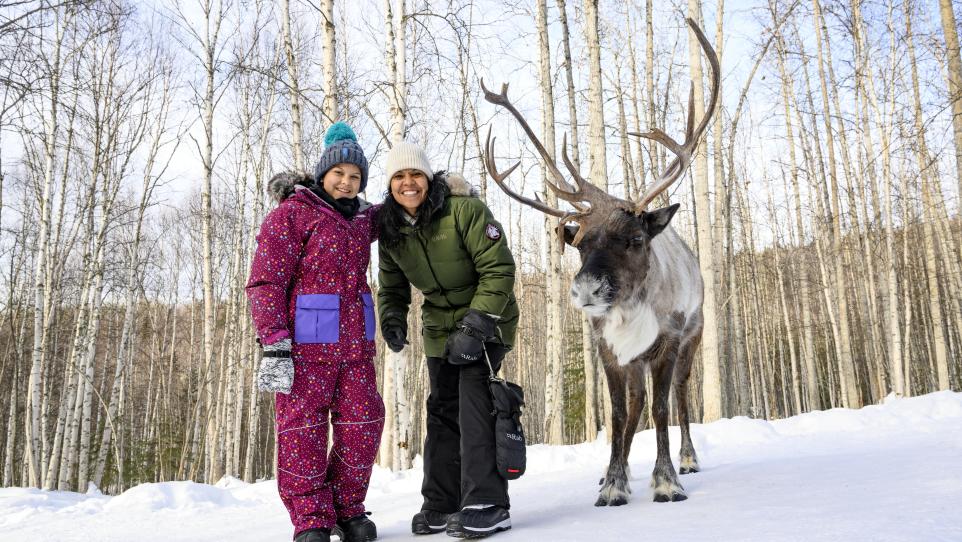
Knowing what to pack and how to dress for winter is an important part of being prepared and enjoying your trip. If you follow our recommendations, you might be surprised by how warm you can be, even in the coldest of temperatures.
How to stay warm
The number one way to stay warm in winter is to wear layers. The general goal is to wear as many layers as you can without making yourself sweat. Sweat will quickly make you cold, no matter how many layers you’re wearing.
Layers allow you to respond directly to your body’s temperature no matter what activity you’re doing. Are you cross country skiing and heating up? Take a layer off. Watching a dog race and cooling down? Throw another layer on.
Bring a backpack, some extra layers, and stay comfortable no matter where your adventures take you.
Clothing checklist
-
Moisture-wicking base layers made of synthetic or wool materials.
-
Cozy mid-layers made of fleece, down or synthetic.
-
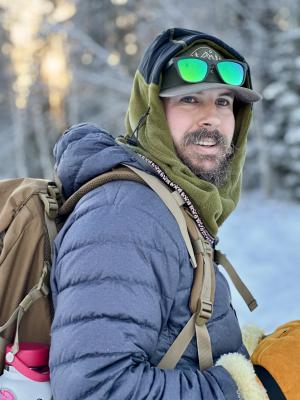
Outer layers (jackets or parkas) that are well insulated and preferably waterproof.
-
A warm hat that fully covers your ears.
-
A good pair of gloves or mittens makes all the difference. Try fleece-lined leather gloves or waterproof insulated gloves. Mittens are typically the warmest. In extreme cold, layer light gloves under mittens and add hand warmers.
-
Insulated boots with good traction. Tall, waterproof boots are best for deep snow.
-
Warm socks, ideally wool. Bring extras!
-
For extra warmth (and style) add a scarf to keep your neck and face warm.
-
Avoid cotton, tight fitting clothing, and non-waterproof outer layers.
Parkas and jackets.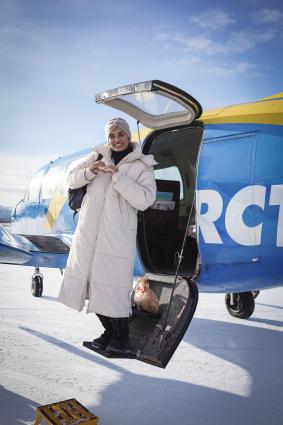
What's the difference?
Parkas are longer, heavier coats designed for extreme cold. Jackets are lighter, shorter coats designed for layering or milder winter days.
One isn’t better than the other, but for weather that is extra-cold or for prolonged periods outside, you’ll likely want a parka. People in Fairbanks wear both, depending on their activities and the temperature.
The word “parka,” is originally a Greenlandic and Russian term referring to warm coats made of animal skin worn by Indigenous peoples living in cold climates. Today, “parka” broadly refers to long, insulated coats designed for extreme cold.
Gear Checklist
-
Hand and foot warmers for an extra boost of warmth.
-
Ice cleats for extra traction on icy surfaces.
-
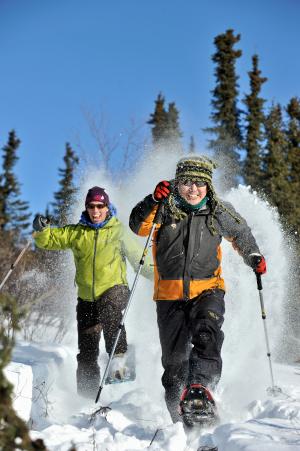
Sunglasses or goggles for sunny days in the snow. Especially true in February and March, bright sunlight reflecting on snow can be blinding.
-
Moisturizer and lip balm will keep you feeling comfortable and prepared. Cold, dry air can be harsh on exposed skin. You won’t regret bringing these items.
-
Headlamps or flashlights are very useful items during winter’s darker months.
-
Camera and tripod for photographing the northern lights. This one is for you, aurora chasers.
-
Extra battery packs/banks for your camera, headlamp, flashlight, and phone. Batteries die quickly in the cold, so having extras is always nice.
-
Insulated water bottle to keep your water from freezing in the car or in your backpack. Staying hydrated is extra important during winter.
-
Small backpack for day trips. Pack extra layers, your camera, snacks, and anything else you might need for a full day of adventure.
-
Snacks are important to have on hand during winter as emergency food or an extra boost of energy during your adventure.
-
Emergency blanket. Stay prepared for a (highly unlikely) worst case scenario.
Renting Gear
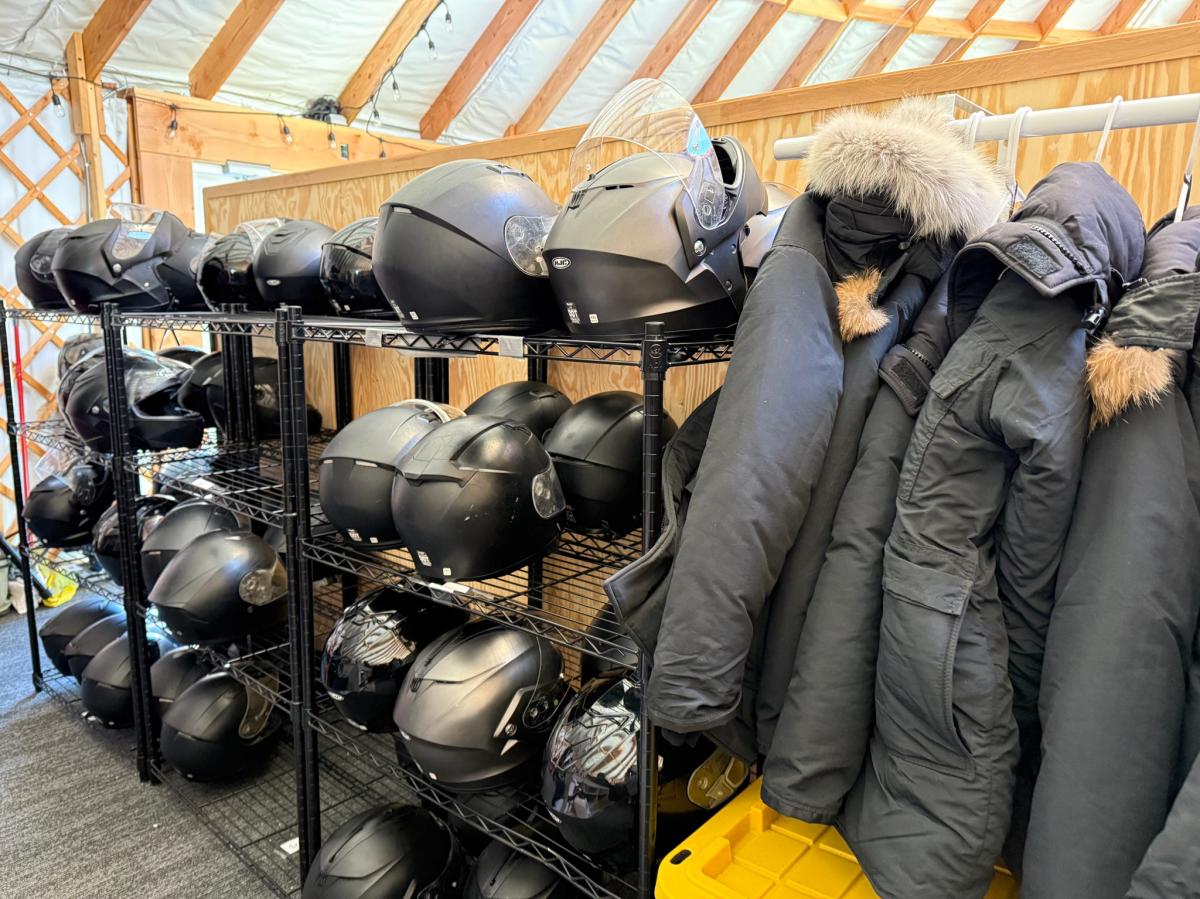
If you don't want to buy winter gear, renting is a great option. Several local activities, attractions and tours provide high-quality winter gear as part of your experience. As you book activities, be sure to ask about what gear is provided. Local businesses want to make sure that you're cozy, warm and have everything that you need!
Are you prepared?
Ultimately, being prepared will look a little different for everyone. This blog should serve as a good middle ground for packing. For rugged adventures, you might need to throw some more technical gear into your suitcase. For adventures that lean towards indoor activities, ice cleats may not be necessary but more lightweight layers might. Ultimately, if you bring all of the items on these lists, you will be well-prepared for almost anything.
Be sure to ask yourself these questions as you pack:
-
Will I be participating in tours or activities that provide winter gear?
-
Do I have backups of my most essential items?
-
Is there anything that I need to purchase that I could get locally in Fairbanks?
-
What will the weather (and importantly, temperature) be like during my trip?
-
What kind of terrain will I be walking on? If you are planning a trip to Castner Glacier, the answer is: ice (bring cleats).
-
What kinds of activities will I be doing? Am I leaving space on my trip for spontaneous activities? If so, should I bring extra clothing or gear?
-
Have I thought about how long I’ll be outside and what additional items might make me most comfortable in the cold (ex. Hand warmers)?
-
Is there any activity-specific gear that I might want to bring (ex. Snow goggles)?
Bonus tip
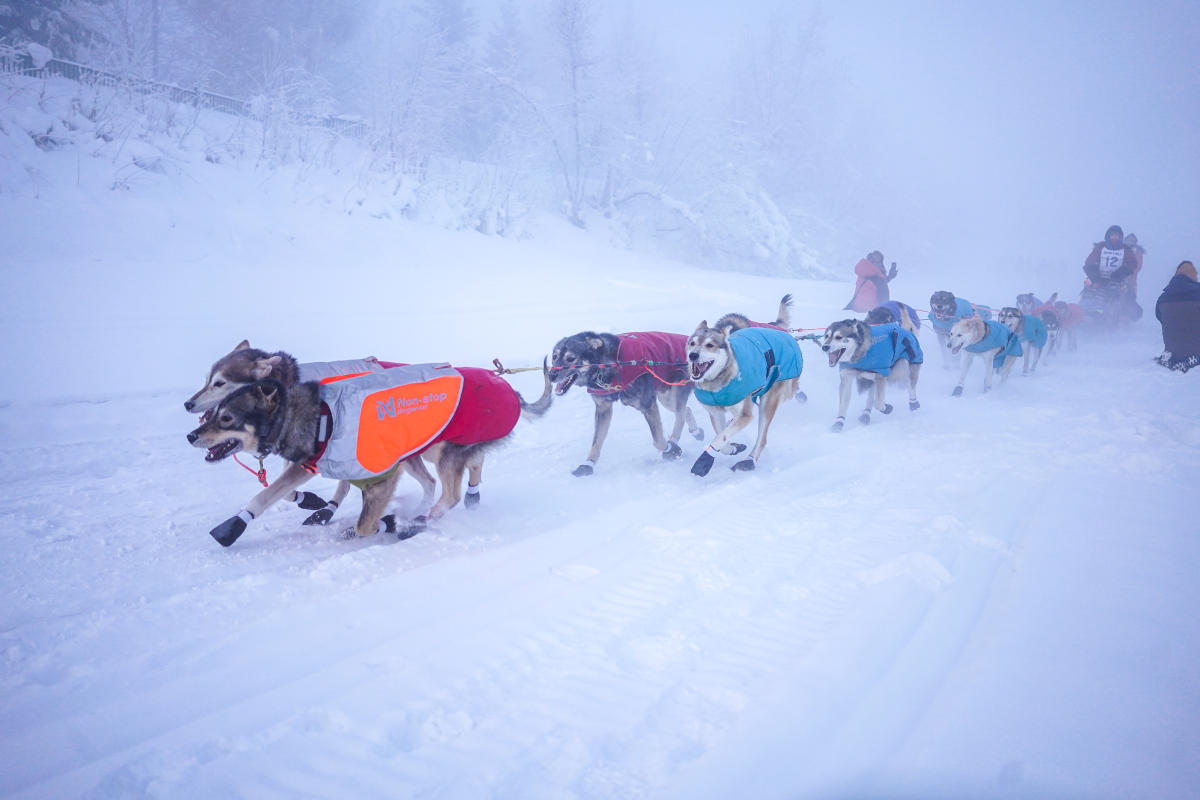
If you bring your dog, you’ll want to pack for them too. Dogs in Alaska typically wear winter shoes and jackets (depending on their fur/coat), when the weather is extremely cold.
Good luck out there! Be sure to check out part one of our winter blog series to learn more about what to expect during a winter trip to Fairbanks.

Sources: Origin and history of parka: Etymonline, Parka etymology: Wikipedia

